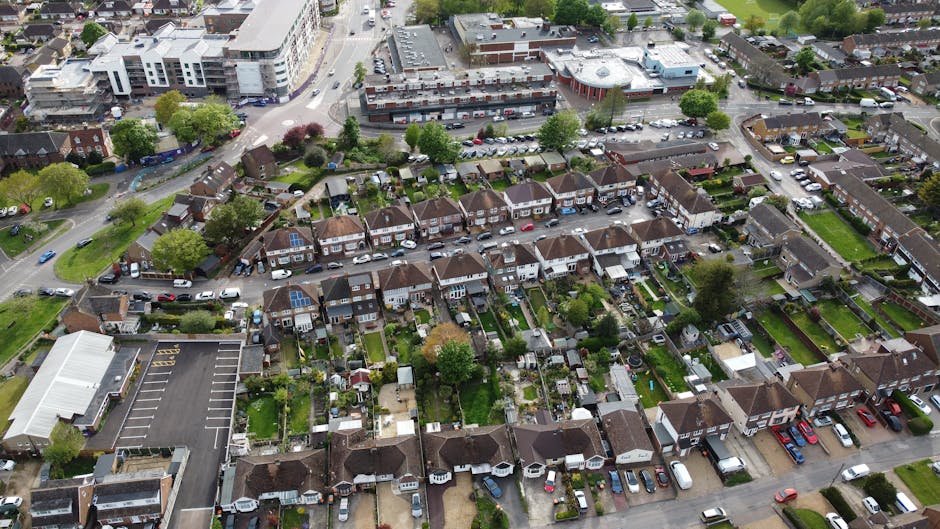
Access Issues for Gardeners on St Margarets Terraced Streets
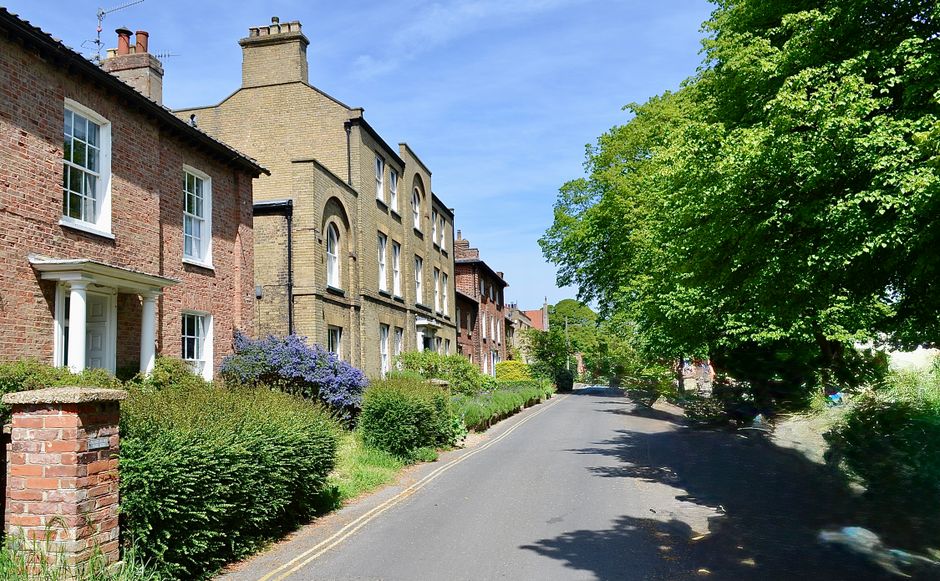
Terraced streets in St Margarets can be charming, tidy, and full of character. They can also be awkward for garden work in ways people do not always expect. Narrow front paths, side returns that barely squeeze a wheelbarrow, shared access gates, awkward steps, parked cars, and limited storage all change how garden care gets done. If you are dealing with access issues for gardeners on St Margarets terraced streets, the real challenge is not just reaching the garden. It is getting in, working safely, protecting neighbouring property, and leaving everything neat without turning the visit into a logistical puzzle.
This guide looks at what those access problems actually mean in practice, why they matter, and how to plan around them sensibly. We will cover access-safe methods, useful tools, common mistakes, compliance and safety points, and a practical checklist you can use before any visit. If you are weighing up garden maintenance, hedge work, or larger landscaping on a terraced property, this will help you think clearly before anyone even lifts a spade.
Why Access Issues for Gardeners on St Margarets Terraced Streets Matters
Access sounds like a small thing until it becomes the thing that slows the whole job down. On terraced streets, the route from pavement to garden is often more restrictive than the work itself. A narrow doorway can limit the size of tools. A shared passage may need to stay clear. A steep step or uneven paving can turn a routine hedge trim into a slow, careful carry. And if a neighbour's bin, car, or side gate sits in the wrong spot, even a straightforward visit starts to feel like a balancing act.
That matters for a few reasons. First, it affects time. When access is tight, work naturally takes longer because materials, waste, and equipment have to be moved in smaller loads. Second, it affects cost. Not because anyone is trying to be difficult, but because the job may require extra labour, special tools, or more visits. Third, it affects safety. Slips, trips, awkward lifting, and accidental damage become more likely when there is no easy route through.
There is also a wider point. Terraced streets often sit close together, so one garden job can affect several households. A noisy mower left on a narrow path, or compost bags stacked where residents need to pass, creates avoidable friction. To be fair, most issues are not dramatic. They are just small inconveniences that snowball if nobody plans ahead. A little organisation saves a lot of irritation.
For many homeowners, the issue is not whether access can be managed. It usually can. The real question is how to make it manageable without overcomplicating the job. That is where sensible preparation, clear communication, and the right working method make all the difference. If you want broader context on how the service side is approached, the page on gardening services is a useful place to start.
How Access Issues for Gardeners on St Margarets Terraced Streets Works
In practical terms, access planning starts with a quick assessment of the route to the work area. The job is not just "garden maintenance" or "hedge cutting"; it is a sequence of movements. Can tools be carried through the property? Can waste come back out without damaging walls, fencing, or flooring? Is there room to turn, lift, stage, and load materials? Those questions sound basic, but they shape the entire visit.
On terraced streets, gardeners often work with one of several access patterns:
- Front-only access where everything must pass through the main entrance.
- Shared side access where a narrow passage may be available but needs care and respect.
- Rear-garden access via another route, sometimes possible only with permission or key access.
- Restricted internal access where large equipment cannot fit and smaller hand tools become the smarter choice.
Once the route is known, the method changes. Large clearance tools might be swapped for hand tools. Loose waste may be bagged in smaller quantities. Deliveries may be scheduled to avoid busy parking periods. If a hedge line or fence boundary blocks movement, work may need to begin from the easiest point and progress outward. It is a bit like unpacking a tight hallway: you work in the right order or you end up blocking yourself.
Good access management also includes a small amount of site etiquette. Gardeners should know where to place bags, what surfaces need protection, which gates must be kept shut, and how to avoid letting soil or cuttings trail across a shared entrance. If you are considering a more involved change, such as a redesign or hardscape update, the way access works will influence whether the task is best handled as part of landscaping or as a series of smaller visits.
In short, access planning is not paperwork for its own sake. It is the practical framework that decides whether the work is smooth, safe, and respectful of the property around it.
Key Benefits and Practical Advantages
Getting access right gives you more than convenience. It changes the quality of the result. When the route in and out is well thought through, the whole job tends to feel calmer, cleaner, and more controlled. And yes, that is noticeable on the day. Fewer muddy footprints. Less shuffling back and forth. Less "sorry, could you just move that for a second?"
Some of the clearest benefits are:
- Safer working conditions for the gardener and anyone using the property.
- Less disruption for neighbours, residents, and passers-by.
- Better protection for walls, gates, floors, steps, and planting beds.
- More efficient visits because tools and waste move in a planned way.
- Cleaner finishes since access-aware work usually includes tidying as you go.
- More realistic pricing because the job is scoped properly rather than guessed at.
There is another advantage people sometimes miss: access-friendly planning often improves the garden design itself. For example, if a front path is too narrow for bulky items, the better answer may be smaller modular planters, improved storage, or a simpler planting scheme that still looks elegant. That idea is explored well in the article on container gardening bringing nature to your doorstep, which is handy if the garden itself needs to work around limited movement.
Access problems also encourage better seasonal choices. If winter conditions make paths slippery or awkward, planning ahead for protection and maintenance becomes even more valuable. A bit of forethought now can save a lot of hassle in January, which, let's face it, is when nobody wants to be wrestling a compost sack through a frost-covered side return.
Who This Is For and When It Makes Sense
This topic matters to more people than you might think. Homeowners with compact terraced gardens need it. Landlords need it. Tenants arranging permission-sensitive work need it. So do people with mobility constraints, families juggling school runs and garden upkeep, and anyone managing a mature garden with dense planting or heavy waste output.
It is especially relevant if you are dealing with any of the following:
- A narrow front door, porch, or passageway.
- Shared access with neighbours.
- A garden that can only be reached through the house.
- Stepped entrances or uneven paving.
- Limited space for storing tools, trugs, or waste bags.
- Frequent jobs such as lawn care, hedge cutting, and general tidy-ups.
It also makes sense whenever the job involves volume. A light prune is one thing. A full hedge reduction, border reset, or garden clearance is another. Once there is significant waste to move, access ceases to be background detail and becomes part of the core planning. If you are comparing whether to book a simple visit or a broader seasonal tidy-up, the page on garden maintenance is a useful reference point.
And if the concern is more about a specific feature than the whole garden, access still matters. Jobs like hedge trimming in St Margarets, lawn mowing, or patio cleaning can all be affected by how easy it is to bring tools in and waste out. Different task, same logistical headache.
Step-by-Step Guidance
If you are trying to solve access issues properly, it helps to treat the job as a sequence rather than a vague problem. Here is a practical way to approach it.
- Map the route. Walk from the street to the working area and note narrow points, steps, gates, low walls, and anything fragile.
- Measure the bottlenecks. Door widths, passage widths, step heights, and turning space matter more than most people realise.
- Identify the heaviest or bulkiest items. Mowers, compost sacks, bags of soil, ladders, and hedge trimmers are the usual culprits.
- Decide what can stay outside. Some equipment may be staged at the entrance rather than carried all the way through.
- Choose smaller loads. If the route is tight, smaller bags and more trips are often safer than one overloaded carry.
- Protect surfaces. Use mats, boards, or careful footwork where needed, especially on light paving or indoor flooring.
- Plan waste removal. Bag cuttings early, keep pathways clear, and avoid stacking waste where it blocks movement.
- Leave a final clear route. A tidy exit path matters nearly as much as the work itself.
A useful clarification here: access planning is not only about the first arrival. It is about the whole cycle of the visit. Coming in is one issue, but the dirty part is often the way out. If waste is not consolidated properly, that is when a clean job turns messy. It happens more often than people admit.
For garden tasks that require more equipment or careful timing, you may also want to read outdoor adventure awaits essential gardening tools list. It is a simple reminder that the right kit can reduce the number of trips through a narrow access point.
Expert Tips for Better Results
In our experience, the best terraced-street jobs succeed because the small things are handled well. Not glamorous, but true. Here are a few expert habits that make a real difference.
- Use modular, lightweight equipment where possible. It is much easier to carry a compact mower or folding tool than something oversized.
- Work top-down on hedges and borders so waste falls in controlled areas rather than being spread across pathways.
- Bag as you go instead of waiting until the end. It keeps the route clearer and reduces the risk of slips.
- Keep wet waste separate from dry debris. It sounds minor, but mixed waste is heavier and often harder to handle.
- Use pruning and planting choices that suit the access. For example, if access is always awkward, choose lower-maintenance planting or structural shapes that need less frequent heavy work.
- Communicate about parking and gate access early. A small heads-up can prevent a lot of waiting around on the day.
There is also a design angle. If the garden feels difficult to reach because it is crowded with dense planting, consider simplifying the layout. Vertical planting, trained climbers, and compact beds can create visual interest without cluttering the path. The guide on vertical gardening is a smart companion read for that kind of thinking.
Another useful detail: plan around weather. A wet day can make tight passages much riskier, especially if they are already narrow. If your garden tends to catch wind or rain, the article on effective garden protection tips can help you think about protection and scheduling in a more practical way.
Common Mistakes to Avoid
Most access problems are manageable. The headaches usually come from avoidable mistakes. A few are worth calling out clearly.
- Assuming access is fine because the garden is small. Small gardens can be the hardest to work in if the route is poor.
- Forgetting waste volume. A hedge or border can produce far more material than people expect.
- Leaving tools scattered. On narrow terraces, clutter creates a trip hazard very quickly.
- Ignoring neighbours. Shared entrances and boundary lines need a bit of courtesy. Always.
- Using equipment that is too large for the route. If it needs force to get through, it is probably the wrong tool.
- Skipping a site check before booking. This is where many jobs go sideways. A five-minute walk-through can prevent a two-hour delay.
One more common issue is underestimating clean-down time. In a terraced setting, tidying the route is not optional. Soil on steps, twigs in a shared alley, or leaf litter blown into a neighbour's entrance can lead to complaints that were entirely avoidable. The right approach is simple: tidy the access as carefully as the garden itself.
If your work includes hedge reduction or shaping, the article on hedge trimming styles gives a nice reminder that good structure can reduce future access pressure as well. Fewer awkward overhangs, fewer snag points, less constant correction. A small win, but a useful one.
Tools, Resources and Recommendations
The best tools for access-restricted work are not always the biggest or the most expensive. They are the ones that reduce carrying, improve control, and leave less mess behind. For terraced streets, practical beats impressive every time.
| Access challenge | Helpful method | Why it works |
|---|---|---|
| Narrow passage or gate | Compact hand tools and smaller waste bags | Less snagging, easier movement, safer carrying |
| Stepped or uneven entry | Split loads and use careful staging points | Reduces strain and lowers trip risk |
| Shared access with neighbours | Clear scheduling and tidy work zones | Minimises disruption and keeps relations friendly |
| Large hedge or border clearance | Frequent bagging and progressive waste removal | Prevents the route from being blocked mid-job |
| Limited storage on site | Bring only what is needed for that visit | Reduces clutter and speeds up setup |
Some practical recommendations worth considering:
- Hand tools over oversized machinery for tight entrances.
- Soft-sided waste sacks when manoeuvring through awkward corners.
- Ground protection boards or mats if you need to cross delicate surfaces.
- Shorter, more frequent maintenance visits if the route makes large jobs cumbersome.
- Low-maintenance planting choices if repeated access is always difficult.
There is also value in thinking long-term. If access is consistently awkward, a redesign can make the property easier to maintain. That may involve better path layout, slimmer borders, more resilient planting, or replacing hard-to-reach areas with simpler features. The article on low-maintenance garden ideas on a budget is a sensible read if you want practical improvements without overcommitting financially.
Law, Compliance, Standards and Best Practice
Access work in gardens is not usually about heavy regulation, but it still sits within a framework of common-sense legal and safety expectations. The main point is simple: no one should be put at unnecessary risk, and no property should be damaged through careless handling.
In the UK, good practice generally means following safe manual handling habits, keeping routes clear, and using equipment appropriately for the task. On tight terraced streets, that translates into planning lifts, avoiding overloading, and choosing methods that suit the space. If a task involves ladders, cutting equipment, or power tools, the standard of care should rise accordingly.
Where shared access is involved, courtesy matters almost as much as procedure. That means agreeing on entrance use where needed, keeping communal passages clean, and respecting privacy. If something is uncertain, ask first. It sounds obvious, but in real life it gets skipped more often than it should.
Service providers should also be clear about insurance, safety processes, and terms before starting work. If you want to understand how a professional setup approaches these matters, the pages on health and safety policy, insurance and safety, and terms and conditions are worth reviewing. For payment and booking clarity, see payment and security.
Accessibility is another sensible consideration. If a resident has mobility limitations, the route should be planned so that the garden can still be maintained without unnecessary strain. In that context, the accessibility statement is a helpful signal that access and inclusion are taken seriously.
And because trust matters, it is always reasonable to check who you are working with. A straightforward page like about us can help set expectations about how a team works, while complaints procedure shows what happens if something does not go to plan. Not glamorous reading, perhaps, but very useful in the real world.
Options, Methods, or Comparison Table
There is no single best method for every terraced property. The right choice depends on what you are trying to achieve, how restrictive the route is, and how often the garden needs attention. Here is a simple comparison to make that decision easier.
| Method | Best for | Pros | Trade-offs |
|---|---|---|---|
| Hand-tool approach | Tight access, light to medium maintenance | Flexible, quiet, easy to carry | Takes longer on larger jobs |
| Compact powered tools | Small lawns, modest hedge work, recurring visits | Efficient without being bulky | Still needs safe storage and charging/fuel planning |
| Split-visit strategy | Big clearances or high waste volumes | Reduces congestion and lifting strain | Needs more scheduling discipline |
| Redesign for access | Repeated long-term access problems | Can improve the whole garden experience | Usually higher upfront effort |
| Low-maintenance planting | Gardens that are hard to enter often | Less future work, easier upkeep | May limit planting variety a little |
If the main issue is not access to the garden itself but access around features like fencing or storage boundaries, the service pages for fencing and decking services can be relevant. Those elements often shape movement more than people realise. A cramped path can become much worse if boundaries have been set without maintenance access in mind.
The short version? If you only need occasional tidy-ups, keep things simple. If the garden produces a lot of waste or has recurring difficult access, then a structural solution is usually better in the long run.
Case Study or Real-World Example
Here is a realistic example based on the kind of job that comes up often on terraced streets. A homeowner in St Margarets had a narrow side passage, a small rear lawn, and a hedge that had grown over the path edge. The garden looked manageable from the street, but the route in was tighter than expected. A standard mower would have been awkward, and the waste from hedge cutting would have blocked the passage if it had all been left until the end.
The solution was straightforward rather than dramatic. The visit was split into stages. First, the access route was cleared. Then the hedge was reduced in controlled sections, with cuttings bagged as work progressed. Smaller hand tools were used for the tightest corners. Finally, the route was checked carefully before leaving so no debris remained on the paving or against the fence line.
What made the job successful was not a clever trick. It was the decision to treat access as part of the work, not as an afterthought. The client avoided damage, the garden was finished cleanly, and the neighbours were not inconvenienced. A very ordinary win, but a good one.
In gardens that also need seasonal protection, access planning can be paired with weather-aware maintenance. The article on keeping your garden safe through winter is a useful next read if your access problems get worse in wet or cold months. And if your site is especially exposed, designing gardens to flourish in breezy conditions adds another layer of practical thinking.
Practical Checklist
Use this checklist before arranging work on a terraced street. It is the kind of quick review that saves time later.
- Have you checked the width of the entrance, passage, and any steps?
- Do you know whether access is front-only, shared, or through another route?
- Are there parked cars, bins, bikes, or other obstacles to move first?
- Will the job create enough waste to require staged removal?
- Are there fragile surfaces that need protection?
- Do neighbours need to be informed about temporary access use or noise?
- Can the work be done with compact tools instead of bulky equipment?
- Is there enough room to turn, set down bags, and move safely?
- Have you thought about weather conditions on the day?
- Is the final exit route clear and tidy before the team leaves?
Expert summary: On terraced streets, the best access strategy is usually the simplest one that keeps people safe, protects the property, and avoids forcing oversized equipment through a space that was never designed for it.
If you want a broader approach to planning work, first steps toward a stunning garden overhaul is useful when the access problem is part of a bigger redesign. For ongoing upkeep, lawn care can be easier to manage with a regular schedule than with occasional heavy intervention.
Get a free quote today and see how much you can save.
Conclusion
Access issues for gardeners on St Margarets terraced streets are rarely impossible, but they do deserve proper attention. The narrow route, the shared entry, the awkward step, the limited storage space - these are not side notes. They shape the work, the safety, and the final finish. Once you plan for them, the whole process becomes more predictable and far less stressful.
The good news is that a small amount of preparation goes a long way. Measure the route. Choose the right tools. Bag waste early. Respect shared spaces. Think about weather. And if the garden layout itself keeps causing problems, consider whether a more access-friendly design would make life easier next season and the season after that. That is often where the real value sits.
Gardening on a terraced street should still feel enjoyable, not like a tactical exercise. With the right approach, it can be neat, efficient, and genuinely satisfying. Little by little, it becomes easier. And that is a pretty good feeling.
Frequently Asked Questions
What are the most common access issues for gardeners on terraced streets?
The most common problems are narrow entrances, shared side passages, steps, limited turning space, awkward parking, and having to move tools or waste through parts of the home. Those small constraints can affect the whole job.
Do access issues usually increase the cost of garden work?
They can, because tighter access often means slower movement, more carrying, extra care, or smaller equipment. The increase is not automatic, but it is sensible for the work to be priced based on the actual conditions rather than a quick guess.
Can a gardener still work if the only access is through the house?
Yes, often they can. It just needs more planning, careful protection of floors and walls, and a clear agreement about movement through the property. Smaller, cleaner jobs tend to be easier in these settings than large clearances.
What should I measure before booking garden work?
Measure the entrance width, any narrow passage, step heights, and the space available for turning or staging bags. If possible, note where obstacles such as bins, bikes, or parked vehicles regularly sit.
Is shared access with neighbours a problem?
Not necessarily. Shared access is common enough. The important thing is courtesy, clear timing, and keeping the route tidy. Problems usually arise when communication is poor or waste is left in the way.
Which garden jobs are most affected by access restrictions?
Jobs that create more waste or need bulkier tools are the most affected. Hedge trimming, pruning, garden clearance, patio cleaning, and larger maintenance visits often need more planning than light tidying.
What kind of tools work best in tight terraced gardens?
Compact hand tools, lightweight cutters, smaller bags, and equipment that is easy to carry through narrow routes are usually best. The aim is control, not brute force. Smaller is often smarter here.
How can I reduce disruption to neighbours during garden work?
Keep shared routes clear, avoid blocking entrances, bag waste quickly, and let neighbours know if access or noise will be noticeable. A short conversation before the visit can prevent a surprising amount of friction.
Should access be considered when redesigning the garden?
Absolutely. If the garden is difficult to reach or maintain, access should influence the layout, plant choices, and the size of any features. A beautiful garden that is hard to work in often becomes a burden later.
Are there safety concerns with carrying tools through narrow spaces?
Yes. Narrow spaces increase the risk of trips, knocks, and awkward lifting. Safe manual handling, clear routes, and using the right size tools are important. If the route feels cramped, it usually is.
How often should a terraced garden be maintained to avoid access problems?
More regular maintenance is usually easier than letting the garden build up into a bigger, heavier job. Frequent light visits reduce waste volume and make access much less of a headache. A bit at a time tends to work well.
Where can I learn more about professional garden planning and service standards?
Useful starting points include the pages on about us, health and safety policy, and pricing and quotes. They help set expectations around how work is approached, managed, and explained.