St Margarets Station Planting Guide for Local Gardeners
If you live near St Margarets Station, you already know the gardening challenge: a mix of urban edges, changing light, pockets of shelter, and the occasional gust that seems to arrive out of nowhere. This St Margarets Station Planting Guide for Local Gardeners is designed to help you choose plants that actually settle in, not just survive the first fortnight. Whether you are working with a front garden, a narrow side return, a courtyard, or a few large containers by the door, the aim is the same: create planting that looks good, suits the local conditions, and is not a constant battle. Truth be told, a thoughtful plant list saves more time than any fancy gadget ever will.
In the sections below, you'll find a clear local planting approach, practical steps, seasonal considerations, and a realistic sense of what works best for this part of west London. You'll also see where local services such as general gardening services, ongoing garden maintenance, and landscaping support can make the job easier when a project grows bigger than a weekend plan.
Table of Contents
- Why this planting guide matters in St Margarets
- How the planting approach works
- Key benefits and practical advantages
- Who this is for and when it makes sense
- Step-by-step guidance
- Expert tips for better results
- Common mistakes to avoid
- Tools, resources and recommendations
- Law, compliance, standards, and best practice
- Options, methods, and comparison table
- Case study or real-world example
- Practical checklist
- Conclusion
- Frequently asked questions
Why St Margarets Station Planting Guide for Local Gardeners Matters
Planting near a station area is not just about what looks nice in a nursery trolley. Local gardeners around St Margarets often have to think about wind funnels, drier soil in exposed spots, reflected heat near paving, shade from houses or boundary trees, and the plain old practical matter of limited space. That changes what thrives. It also changes how quickly a garden can tip from tidy to tired if the wrong plants are chosen.
The point of a local planting guide is to narrow the guesswork. Instead of treating every bed as if it were the same, you look at the actual site: where the morning light lands, where the soil dries fastest, where slugs tend to appear after rain, and which corner is always a bit breezy. That local reading is what separates a garden that looks promising in April from one that still looks settled in November.
There is also a design side to it. A good planting plan helps smaller gardens feel coherent, which matters more in densely built streets than people sometimes admit. A few repeated plants, layered heights, and a clear structure can do a lot. If you want to add structure without making the space feel boxed in, ideas from privacy hedge planting and shade-loving climbers can be surprisingly useful.
Expert summary: the best local planting choices are the ones that match your actual light, soil, and space conditions, then repeat well enough to create rhythm. Fancy is optional. Resilience is not.
How St Margarets Station Planting Guide for Local Gardeners Works
This guide works by matching planting decisions to real conditions rather than abstract garden ideals. Start with what you have, not what you wish you had. A north-facing wall needs a very different plant palette from a sunny courtyard. A windy front garden needs different support from a sheltered back patio. Even the same street can have microclimates that vary more than you'd expect.
The process usually follows four practical layers. First, assess the site. Second, choose a planting style that suits the space and the amount of upkeep you want. Third, prepare the soil properly. Fourth, maintain the planting in a way that helps it mature, rather than constantly resetting it.
That sounds straightforward because, in a sense, it is. But gardeners often skip the boring bits and then wonder why the planting keeps underperforming. Soil renewal, for instance, is not glamorous, yet it changes everything. If your beds are tired, compacted, or patchy, a little help from organic waste and soil renewal practices can improve moisture retention and root development in a way that shows up fast.
A sensible local planting plan also considers how the garden is used. If children run through it, if a dog digs at one edge, if you want seating tucked into a sunny corner, or if you need year-round privacy, those uses should shape the plant list. A garden is not just a display; it is a lived-in space. Sometimes a very lovely one with muddy paw prints across it. Happens.
Key Benefits and Practical Advantages
The biggest benefit is reliability. When plants are chosen for the actual site, they need less rescuing, less replacing, and less weekend emergency care. That gives you a garden that settles in more naturally and a planting scheme that feels calmer to live with.
Another advantage is cost control. People often think gardening is expensive because they keep buying replacements. In reality, good plant selection and a decent establishment period are what protect the budget. It is also easier to maintain a garden with the right backbone plants than a mixed border full of hopeful but awkward choices.
There is a visual benefit too. Repetition of well-suited plants can make a small space feel designed rather than crowded. Ground layers, mid-height shrubs, climbers, and a few seasonal highlights can work together without shouting over each other. If you want ideas for structure at different levels, take a look at vertical gardening and ground cover planting ideas.
Practical advantages include:
- better drought tolerance in hot spells
- less wind damage in exposed spots
- stronger seasonal interest with fewer plant losses
- more privacy where neighbouring windows overlook the garden
- easier ongoing care for busy households
And if you're trying to keep the garden lower maintenance, that matters a lot. Nobody wants to spend every Sunday morning deadheading a plant that was never going to like the site in the first place.
Who This Is For and When It Makes Sense
This guide is for local gardeners who want practical planting advice for the St Margarets Station area, especially if they are dealing with compact plots, mixed sun and shade, or a garden that feels a bit exposed. It is also for people who have inherited a garden and want to improve it without ripping everything out.
It makes sense if you are:
- starting from scratch and want a sensible plant framework
- refreshing tired beds that no longer perform well
- trying to build privacy along boundaries
- making a container garden more cohesive
- working around existing trees, fences, decking, or paving
- planning a family- or pet-friendly outdoor space
It is also useful if you only have time for a few strong moves. A handful of the right plants, placed well, can do more than a full trolley of impulse buys. If you are currently at the "I just need it to look less chaotic" stage, you are in the right place.
For larger changes, especially if the planting needs to sit alongside new hard landscaping, landscaping support can help make sure the layout and the planting work together rather than competing for attention.
Step-by-Step Guidance
Use the steps below as a realistic framework. You do not need to do everything in one go. In fact, for many gardens, it is better not to.
1) Read the site properly
Walk the garden at different times of day. Morning, late afternoon, and after rain if you can manage it. Notice the dry patches, the shaded edges, and where wind moves through. The same bed can behave differently in March compared with July, so look for patterns rather than one-off impressions.
2) Work out the planting purpose
Ask what the planting is meant to do. Is it for screening, pollinator interest, cut flowers, herbs, low maintenance colour, or year-round structure? A planting plan with one clear job usually performs better than one that tries to do everything at once.
3) Improve the soil before buying too much
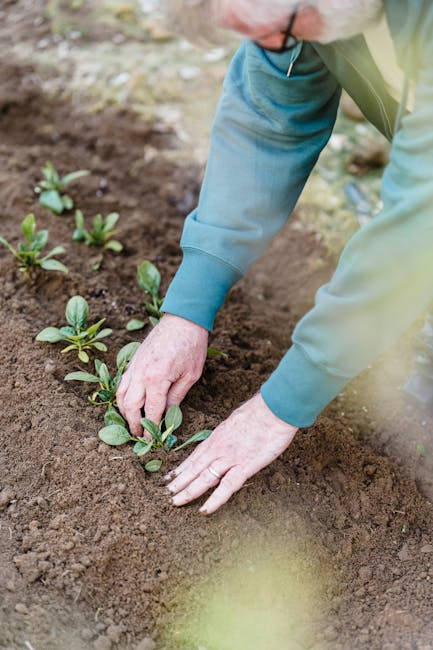
Good planting starts below the surface. Clear out weeds, break up compacted areas carefully, and add organic matter where needed. If the soil is thin or tired, it is worth taking a pause here. A day spent improving soil can save months of frustration later. For tidy-up work around the rest of the garden, weed control strategies may also help you keep a clean start.
4) Choose plants by conditions, not just looks
Sunny, dry spaces often suit Mediterranean-style herbs, ornamental grasses, hardy perennials, and some shrubs. Shadier corners often respond better to ferns, shade-tolerant climbers, hosta-like foliage plants, and spring bulbs that can make the most of early light. Breezy or exposed beds need tougher stems and lower, sturdier forms. For more on that, see gardens that flourish in breezy conditions.
5) Build layers
Think in layers: trees or tall shrubs for backdrop, medium shrubs for structure, perennials for colour, and ground cover to knit the whole thing together. This is one reason small gardens can look much more polished after planting. The layers create depth, even when the footprint is modest.
6) Plant in groups
Repeating three or five of the same plant often looks better than one of everything. Grouping also helps pollinators spot planting more easily, and it makes maintenance more straightforward. One lonely plant in a corner can look a bit lost; three planted together feel intentional.
7) Water and mulch properly
New planting needs consistent moisture while roots settle. Water deeply rather than a little and often. Then mulch to hold moisture, suppress weeds, and smooth out temperature swings in the soil. If you are using containers near the station, this matters even more because pots dry faster than beds. Container gardening can be a brilliant solution for awkward spaces, but it asks for discipline on watering.
8) Review after the first season
Not every plant will behave as expected. That is gardening. After a season, trim back what has become too dominant, move what is sulking, and replace what clearly hates the site. A thoughtful edit is not failure. It is good garden sense.
Expert Tips for Better Results
A few local planting habits make a big difference over time.
- Match root depth to soil depth. If your planting bed is shallow, avoid species that need more root room than the site can offer.
- Use evergreens sparingly but strategically. They provide winter structure, but too many can make a garden feel flat.
- Mix texture as well as colour. Feathery foliage next to broad leaves can be much more interesting than a purely colour-led scheme.
- Plan for winter, not just summer. Many gardens look excellent in June and slightly tragic by January if winter structure was ignored.
- Keep pruning realistic. If a plant needs constant shaping and you know you won't keep up, choose a different plant. Honest, but useful.
One thing we often suggest is choosing a few "anchor plants" and building around them. These are the plants that give the bed its backbone. For a hedged boundary, the article on hedge shapes and trimming techniques is worth a look, and if you want a more polished screening effect, hedge trimming in St Margarets can keep the structure crisp.
Another small tip: leave breathing room around each plant at planting time, even if the border looks a bit empty at first. Overcrowding is one of those mistakes that looks efficient for about six weeks and then becomes a headache. Been there, regretted that.
If your garden gets strong sun in one corner and deep shade in another, combine the advice from shade-loving climbers with sunnier choices rather than forcing one style across the whole garden.
Common Mistakes to Avoid
Most planting problems are not dramatic. They are small mistakes repeated a few times. The good news is that they are easy to avoid once you spot the pattern.
- Buying plants before checking the site. A beautiful plant can still be the wrong plant.
- Ignoring mature size. That little shrub may become a large one, and fast.
- Overwatering containers. Or forgetting them for three hot days in a row. Both happen.
- Using too many different species. Mixed planting can be lovely, but too much variety can look unsettled.
- Skipping soil preparation. This is a classic. Understandable, but costly.
- Forgetting seasonal maintenance. A planting scheme is a living thing, not a one-time install.
There is also the issue of choosing plants that are too tender for the local microclimate. London is not one single climate bubble. A sheltered courtyard, a windy boundary, and a shaded rear corner are three different worlds. Choose accordingly.
If your garden needs a more dramatic reset, it may be worth thinking about the whole site rather than one bed at a time. The guide on starting a garden overhaul can help you plan that bigger picture.
Tools, Resources and Recommendations
You do not need a shed packed with specialist kit, but a few basics make local planting much easier.
- a sturdy trowel and hand fork
- secateurs for planting prep and light pruning
- a watering can or hose with a gentle attachment
- mulch or compost for soil improvement
- gloves you actually like wearing
- canes or discreet supports for taller perennials and climbers
It also helps to keep notes. Nothing fancy. Just a page in your notebook or phone app with what you planted, where, and when. A month later, that little record can save you from digging around trying to remember the name of the "nice silver one near the fence."
For design ideas that cut down on maintenance, you might also like low-maintenance garden ideas on a budget. If you are working toward a more polished outdoor room, garden seating ideas can help you plan where planting should frame, soften, or screen the space.
When a planting project grows beyond hand tools and a bit of weekend enthusiasm, it is often sensible to bring in help from a team that knows local gardens and the practical side of keeping them healthy. That is where about the team and gardening services pages can be useful as a next step.
Law, Compliance, Standards, and Best Practice
For most domestic planting, there is no complicated legal framework to worry about, but there are still sensible best practices. If you are planting near boundaries, shared access paths, or structures, think about future growth, root spread, and how the plants may affect neighbours. It is not just good manners; it avoids awkward pruning disputes later.
If trees are involved, or if planting is happening close to established trees, remember that roots and canopy spread can affect what else will grow. Tree work should be approached carefully, and in many cases it is better handled by trained professionals. If that applies to your site, tree surgery support may be part of the conversation.
Best practice also means working safely. That includes sensible tool use, stable ladders if needed, and caution when clearing awkward or overgrown areas. The site's health and safety policy and insurance and safety information are worth reviewing if you are arranging professional help. For commercial arrangements, you may also want to read the terms and conditions and payment and security guidance before booking work.
If your project includes fencing, hard edges, or screening, make sure the planting plan does not clash with the structure itself. That sounds obvious, but it is one of those details people only notice after the fence panel and the shrub start negotiating the same metre of space. If that is on your list, fencing services can help coordinate the boundary setup with the planting plan.
Options, Methods, and Comparison Table
Different planting approaches suit different St Margarets gardens. Here is a simple comparison to help you decide what fits your space and your patience level.
| Planting approach | Best for | Maintenance level | Main advantage | Watch out for |
|---|---|---|---|---|
| Mixed border planting | Front and back gardens with enough soil depth | Medium | Rich seasonal colour and texture | Can become crowded if not edited |
| Evergreen structure planting | Privacy, year-round form, compact spaces | Low to medium | Reliable shape through winter | Can feel too rigid if overused |
| Container planting | Patios, small courtyards, entrances | Medium to high | Flexible and easy to refresh | Drying out faster than beds |
| Shade planting | North-facing or tree-covered areas | Low to medium | Solves tricky, dim spaces well | Needs careful plant selection |
| Climate-resilient planting | Hot, dry, or exposed spots | Low | Handles stress better over time | May look sparse if not layered thoughtfully |
If you are undecided, a blended approach is usually safest. For example, you might use evergreen structure at the back, drought-tolerant perennials in the sunnier middle, and containers near the entrance for seasonal change. This is also where garden design and planting really start to work together rather than acting like separate projects.
Case Study or Real-World Example
A local gardener near St Margarets Station had a narrow rear garden that felt awkwardly split: bright at one end, shaded near the boundary, and very exposed to wind in the middle. The first attempt had been a classic "buy what looks nice" approach, which produced a few lovely plants and a few plants that looked personally offended by the site.
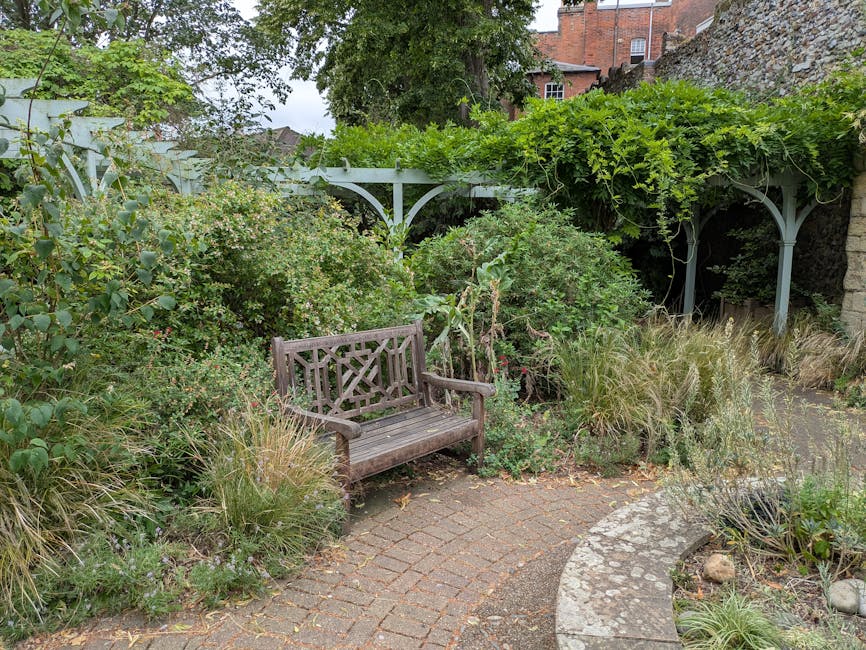
The fix was simple but methodical. The sunny end got tougher perennials and low, drought-tolerant planting. The shaded boundary was planted with climbers and foliage plants that were happier away from direct sun. The middle section was softened with a few mid-height shrubs and ground cover to stop the space feeling fragmented. A small seating area was added later, framed by planting rather than hidden behind it.
The result was not flashy. That was the point. It looked settled, calm, and believable. More importantly, the garden became easier to care for because each plant had a job that suited its position. There was less replacement, less frustration, and far less "why is this one sulking again?" energy.
That kind of outcome is exactly what a local planting guide should aim for. Not perfection. Just a garden that feels like it belongs there.
Practical Checklist
Use this checklist before you plant, or before you order too much. We have all done the hopeful overbuy, and then found ourselves standing in the kitchen with six extra herbs and no clue where to put them.
- Check sun, shade, wind, and shelter in each part of the garden
- Measure the planting area and note soil depth
- Decide the main purpose: privacy, colour, structure, habitat, or all-season interest
- Improve the soil with compost or other organic matter
- Choose plants suited to the site rather than just the look
- Repeat key plants for a more coherent design
- Leave space for mature growth
- Plan watering for the first few months after planting
- Add mulch to conserve moisture and reduce weeds
- Review after the first season and edit if needed
Quick reminder: if a planting choice seems gorgeous but fragile, ask whether it will still look good after a week of wind, a dry spell, and a bit of neglect. That question saves money. Usually.
Get a free quote today and see how much you can save.
Conclusion
A well-planned St Margarets Station planting scheme is not about chasing perfection. It is about reading the site carefully, choosing plants that suit the conditions, and building a garden that can settle in with confidence. That is what gives you the best long-term result: better structure, fewer failures, and a space that feels genuinely local rather than copied from somewhere else.
If you want the short version, here it is: start with the site, prepare the soil, keep the plant palette disciplined, and give the garden time to grow into itself. The rest follows more naturally than people expect. And honestly, that slow settling-in is part of the pleasure. You notice small changes in the rain, in the light, in the way the borders start to hold together. One season leads to another.
When you are ready to move from ideas to action, a little expert help can make the work feel less daunting and far more enjoyable. A garden should feel like a place you want to be, not a chore you keep meaning to fix.
Frequently Asked Questions
What is the best planting style for gardens near St Margarets Station?
There is no single best style, but layered planting with a mix of structure, perennials, and ground cover often works well. Many local gardens benefit from a design that balances privacy, seasonal interest, and low maintenance.
Which plants cope best with local wind and exposure?
Tougher shrubs, resilient perennials, and lower-growing planting tend to perform better in breezy spots. If a corner gets regular gusts, avoid tall, flimsy plants unless they have support.
Can I use container planting if I only have a small courtyard?
Yes, container planting is often a smart choice for compact spaces. It gives you flexibility, but you will need to stay on top of watering and feeding, especially in warmer months.
How much soil preparation do I really need to do?
As much as the site needs, which is usually more than people first expect. Even a modest amount of compost or organic matter can improve establishment and help plants root in better.
What are the most common planting mistakes local gardeners make?
The biggest ones are choosing plants without checking the site, overcrowding, forgetting mature size, and skipping proper aftercare. These are very fixable once you know what to watch for.
How do I make a planting plan look more professional?
Repeat a few key plants, use layers, and choose a limited colour palette. Professional-looking gardens usually rely on structure and repetition, not lots of different plants competing for attention.
Do I need professional help for a planting project?
Not always. Small beds and container displays are often manageable on your own. If the garden needs reshaping, tree work, boundary changes, or ongoing care, professional help can save time and reduce mistakes.
What should I do if my garden is mostly shade?
Choose shade-tolerant plants and climbers rather than forcing sun-lovers into the space. Shade gardens can be very elegant if you lean into texture, foliage, and a calm planting rhythm.
How often should new planting be watered?
New plants generally need regular watering while they establish, especially in dry weather. The exact frequency depends on soil type, plant type, and whether they are in beds or containers, so it is best to check the soil rather than follow a rigid rule.
Can planting help with privacy in a small urban garden?
Absolutely. Evergreen shrubs, trained climbers, and layered planting can soften views and create a more enclosed feel. For stronger screening ideas, see the local hedge and climber guides linked earlier in this article.
Is there a good low-maintenance option for busy households?
Yes. A simple planting scheme built around evergreen structure, drought-tolerant perennials, and ground cover can be much easier to manage than a highly mixed border. It still looks good, just without the constant upkeep.
Where can I get help if I want a planting project handled properly?
You can explore the site's gardening support, maintenance options, and local service pages to find the right fit. If you prefer a direct conversation, the contact page is the simplest place to start.